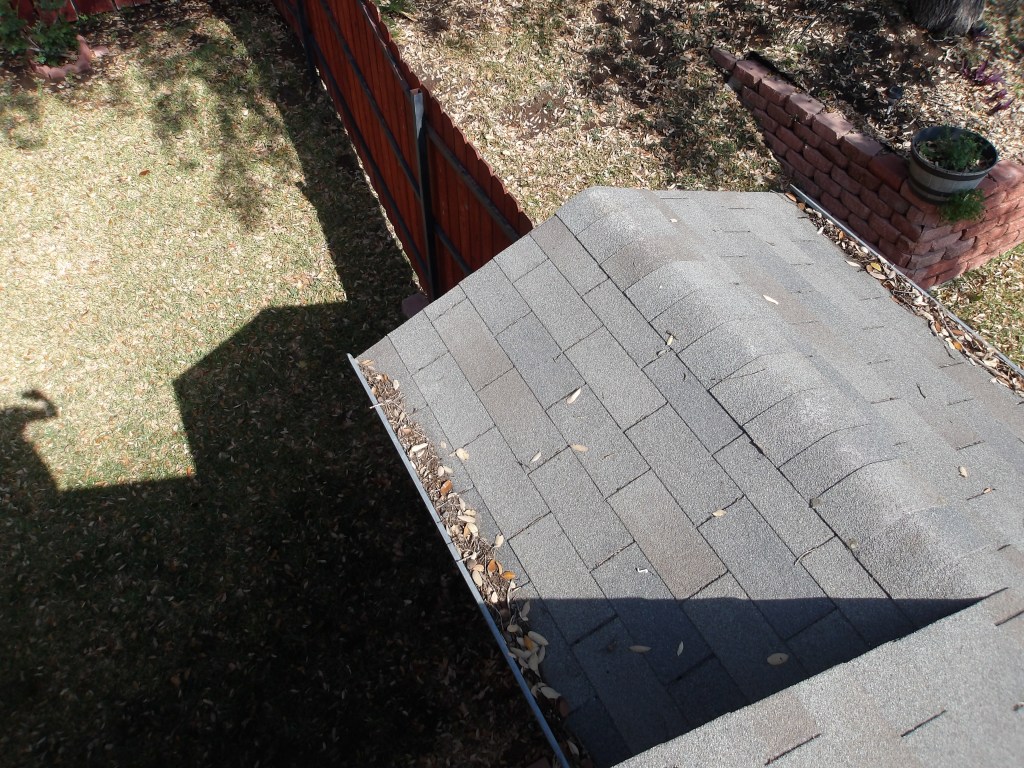
When I’m out in the field conducting inspections for my clients, one thing I see time and time again is clogged gutters—and trust me, it’s never just about leaves and debris. Poorly maintained gutter systems are one of those things that seem small until they aren’t. As a public insurance adjuster, I’ve seen firsthand how neglected gutters lead to costly damage—and even worse—denied insurance claims.
If you’re a homeowner, this post is for you. Let’s break down why keeping your gutters clean matters, what kind of damage can result from letting them go unchecked, and how this often-overlooked chore can impact your insurance coverage in ways most people don’t realize until it’s too late.
Why Are Gutters So Important?
Gutters are your home’s first line of defense against water intrusion. Their job is simple: collect rainwater and move it away from your roof, siding, and foundation. But when they’re clogged with leaves, twigs, shingle granules, or even bird nests, that flow stops—and the problems begin.
You might not notice anything right away. In fact, many homeowners don’t realize there’s a problem until they see water stains on their ceiling or find pooling around their foundation after a heavy rain. By then, the damage has already begun.
What Happens When Gutters Get Clogged?
Here’s the thing—water always finds a way. If your gutters are clogged and water can’t properly drain, it’s going to overflow somewhere. That overflow can cause major issues, including roof leaks, foundation cracks, rotting fascia, mold growth, and even interior damage.
When I’m inspecting properties, I often find water stains behind siding, warped trim, or musty attic spaces—all pointing back to clogged or failing gutters. It’s one of the most common issues I run into, and it’s usually preventable.
How This Affects Your Insurance Claim
Now let’s talk insurance. Homeowners policies are designed to cover sudden and accidental damage—not long-term issues caused by neglect. Unfortunately, many people assume water damage will be covered no matter what. But when an adjuster finds evidence of clogged gutters, deteriorated wood, or a history of improper drainage, that claim can quickly go sideways.
I’ve represented clients whose claims were underpaid or outright denied because the carrier deemed the damage as “deferred maintenance.” That’s the industry term for, “You didn’t keep your home in good working order,” and it’s one of the most common grounds for denial.
Common Denial Reasons for Gutter-Related Damage
I’ve seen carriers deny or partially pay claims for reasons like:
- Deferred maintenance—gutters clearly hadn’t been cleaned or maintained regularly
- Wear and tear—old, rusted, or sagging gutters that failed due to age, not storm
- Poor design or installation—gutters that weren’t properly sloped or draining
- Mold or rot—long-term moisture exposure from backed-up water
- Seepage or slow leaks—damage labeled as “gradual,” not sudden or accidental
What Homeowners Can Do to Protect Themselves
The best way to avoid this mess altogether? Stay proactive. Regular gutter maintenance can prevent major problems and help you defend your position if you ever have to file a claim.
Clean your gutters twice a year—ideally in the spring and fall. Keep photo documentation, inspect them after big storms, and don’t wait until water starts pooling near your foundation. Gutter maintenance is one of the easiest ways to protect your property—and your policy.
Real-Life Example: A Costly Mistake
Not long ago, I worked with a homeowner who filed a claim after discovering warped baseboards, bubbling paint, and a moldy smell in the guest bedroom. After an inspection, I found the gutters were overflowing and had likely been that way for months, allowing water to seep behind the siding and into the walls.
The insurance carrier sent an engineer who concluded the damage was due to long-term moisture exposure—not a covered peril. Most of the claim was denied.
Had those gutters been cleaned and documented regularly, we might have had a different outcome.
Final Thoughts: Small Task, Big Protection
Keeping your gutters clean might not be glamorous, but it’s one of the easiest ways to protect your home—and your insurance coverage. A clogged gutter can lead to serious structural damage, costly repairs, and heartbreaking claim denials that could have been avoided.
When I’m inspecting homes, clogged gutters are one of the most preventable red flags I see. And yet, it’s something homeowners often forget until the damage is already done. Don’t let that be you.
If you’ve experienced water damage and think your gutters may be involved, or if your claim has been denied due to “poor maintenance,” give me a call. I’m here to help you navigate the claims process and advocate for your rights every step of the way.
© 2025 BB Claim Management | Bridget Baldi, Public Insurance Adjuster
Phone: 210-722-6886
Email: bridgetbaldi@outlook.com
Website: www.bbclaimmanagement.com
 Bridget Baldi - Public Adjuster