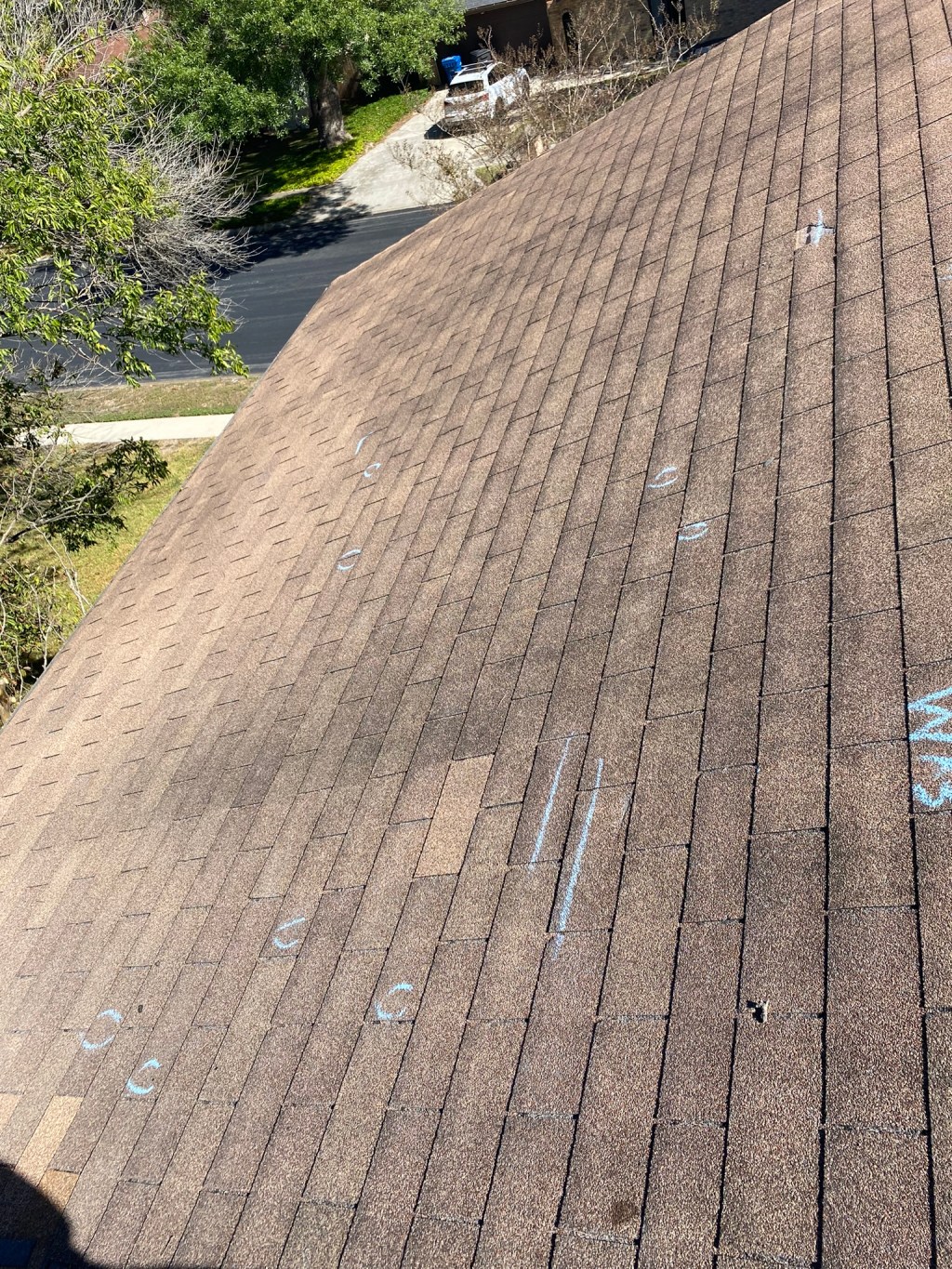
As a homeowner in Texas, facing the aftermath of a severe storm can be daunting, especially when it comes to addressing roof damage. A common scenario involves your roofer advising a full roof replacement due to extensive damage, while your insurance company offers coverage for only minor repairs. Understanding your options in such situations is crucial to ensure your home remains protected and to navigate the complexities of insurance claims effectively.
Understanding the Discrepancy: Roofer vs. Insurance Assessment
Roofers and insurance adjusters may assess roof damage differently due to varying perspectives and interests. Roofers focus on the structural integrity and long-term functionality of the roof, often recommending replacement to ensure comprehensive protection. Insurance adjusters, however, evaluate damage based on policy coverage terms and aim to minimize costs, which can lead to recommendations for repairs over replacement. This disparity can result in disagreements between homeowners and insurers regarding the appropriate course of action.
Exploring Your Options: Appraisal Process vs. Hiring a Public Adjuster
When faced with such a dispute, homeowners in Texas have two primary avenues to consider: invoking the appraisal process or hiring a public insurance adjuster. Each option has its own merits and is suitable under different circumstances.
1. Invoking the Appraisal Process
Most homeowners insurance policies in Texas include an appraisal clause designed to resolve disagreements over the amount of loss. This process involves the following steps:
- Initiation: Either you or your insurance company can invoke the appraisal clause when there’s a disagreement on the extent of the damage or the cost of repairs.
- Selection of Appraisers: Both parties select independent, competent, and impartial appraisers to assess the damage.
- Choosing an Umpire: The two appraisers then agree on a neutral umpire. If they cannot agree, a court may appoint one.
- Assessment: Each appraiser evaluates the damage independently. If they reach different conclusions, they present their findings to the umpire.
- Decision: An agreement between any two of the three (either both appraisers or one appraiser and the umpire) sets the amount of the loss, which becomes binding on both parties.
When to Consider Appraisal:
- Scope of Disagreement: The appraisal process is best suited for disputes strictly about the amount of loss or cost of repairs, not coverage issues.
- Policy Provisions: Review your insurance policy to understand the specific terms of the appraisal clause, including any deadlines for invoking the process.
- Cost Considerations: Each party bears the cost of their chosen appraiser, and both share the cost of the umpire. Ensure that the potential increase in claim payout justifies these additional expenses.
2. Hiring a Public Insurance Adjuster
Public insurance adjusters are licensed professionals who represent policyholders in negotiating insurance claims. They assess the damage, prepare claim documentation, and negotiate with the insurance company on your behalf.
When to Consider a Public Adjuster:
- Complex Claims: If your claim involves extensive damage or multiple types of loss, a public adjuster can provide expertise in documenting and negotiating the claim.
- Disputed Coverage: When there’s a disagreement not just about the amount of loss but also about coverage applicability, a public adjuster can advocate for your interests.
- Time Constraints: Handling a significant insurance claim can be time-consuming. A public adjuster manages the process, allowing you to focus on other responsibilities.
How I Can Assist You
Navigating the complexities of insurance claims can be overwhelming. As a licensed public insurance adjuster and experienced appraiser in Texas, I offer the following services to assist you:
- Comprehensive Damage Assessment: Conducting thorough inspections to accurately document all damages, ensuring no detail is overlooked.
- Claim Preparation and Negotiation: Preparing detailed claim submissions and negotiating with your insurance company to seek a fair settlement.
- Appraisal Services: If the appraisal process is invoked, serving as your appointed appraiser to provide an impartial and expert evaluation of the loss.
Conclusion
When facing a situation where your roofer recommends a full replacement, but your insurance company only approves repairs, it’s essential to understand your options. Whether through the appraisal process or by hiring a public insurance adjuster, you have avenues to pursue a fair resolution. If you find yourself in this predicament, I am here to help you navigate the process and advocate for the best possible outcome for your home and investment.
 Bridget Baldi - Public Adjuster